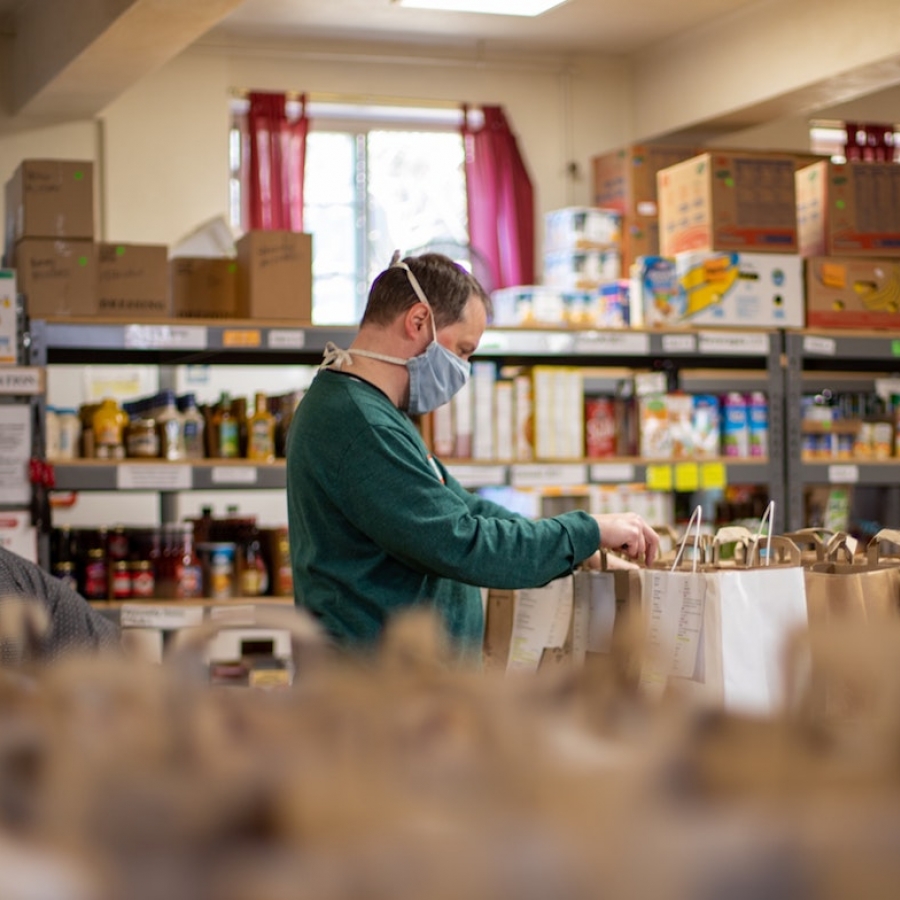


Welcome to this month’s edition of Casebook in which we focus on SEND reform and the Department for Education’s new national engagement campaign to garner the views of parents, carers, young people, and professionals. Dovetailed with this we also highlight the Government review on how mental health services are delivered. Also, in this edition we sadly explore winter food bank pressures with many just wanting the gift of food this Christmas. We also provide you with materials from our recent rural health and care seminar and invite you to book our 2026 seminar season. Read on!
National Conversation On SEND Reform Begins
The Department for Education has launched a new national engagement campaign to gather views from parents, carers, young people and professionals on the future of the Special Educational Needs and Disabilities (SEND) system.
The initiative aims to create “the biggest national conversation on SEND in a generation”, with the government seeking to place families’ experiences at the centre of forthcoming reforms. Minister for School Standards Georgia Gould will lead a series of nine in-person events across England, supported by the Council for Disabled Children, alongside five online sessions exploring the department’s key principles for reform.
The engagement programme will focus on areas such as early intervention, local provision, fairness in access to support, evidence-based practice and stronger joint working between education, health and care. Attendees will be invited to share their experiences and respond to proposals under consideration, including written records of support for children, access to independent advocacy, and a national framework outlining what support should be available across all settings.
This activity sits alongside ongoing work to improve the current system. The government highlighted new data from the Partnerships for Inclusion of Neurodiversity in Schools (PINS) programme, where most participating school leaders reported feeling better equipped to support neurodiverse pupils. Additional measures already underway include investment in new specialist school places, expanded early language support, and the rollout of Best Start Family Hubs from April.
Engagement events form the first phase of wider reform. Following publication of the Schools White Paper early next year, a formal consultation will open to continue gathering views. A stakeholder development group, including SEND parent organisations, will also meet regularly with ministers over the coming months.
How To Take Part
Sign up to attend a regional engagement event here.
Sign up to attend an online event here
Review Launched into Mental Health, ADHD and Autism Services
The government has launched an independent review examining how mental health, ADHD and autism services are currently delivered, amid rising demand and growing pressures across the system.
The review, led by clinical psychologist Professor Peter Fonagy, will investigate what is driving increased demand for support, how people access services, and whether current interventions are appropriate. It will also look at inequalities in access and the role of diagnosis in securing help.
The initiative follows findings from Lord Darzi’s investigation into the NHS, which reported that demand has risen significantly. The proportion of 16–64-year-olds with a common mental health condition increased from 15.5% in 1993 to 22.6% in 2023–24. Waiting lists for autism assessments have also grown, with 13 times more people waiting in September 2025 compared with April 2019.
The review forms part of the government’s wider commitments under its 10 Year Health Plan and sits alongside new funding of £688 million, which will support the recruitment of 8,500 mental health workers, expand NHS Talking Therapies, and increase the number of mental health emergency departments. Additional programmes include expanded mental health support teams in schools and neighbourhood mental health centres open 24/7.
Professor Fonagy will be supported by an advisory group of academics, clinicians, charities and people with lived experience. The review will examine evidence from research and frontline practice, and explore factors shaping rising demand, including social and economic pressures. Findings are expected in summer 2026 and will inform future policy on prevention, early intervention and service design.
A number of mental health and autism sector organisations have welcomed the review’s focus on evidence, access and system pressures. Many highlighted the importance of understanding unmet need, tackling long waits and ensuring that future support is appropriate and accessible for children, young people and adults.
Food Banks Brace For Winter Surge
Tens of thousands of pensioners and children will be forced through their doors this Christmas.
New figures from Trussell reveal a sharp rise in the need for winter food parcels compared to five years ago.
- Food banks in the Trussell community expect to provide a food parcel every 10 seconds this winter.
- Over a quarter of a million food parcels were provided for children last winter – that's over one in every three parcels, according to new figures.
- The level of support provided by food banks to people aged 65 and over last winter was three times higher (over 24,000 parcels) than what it was before the pandemic.
- Food banks in the Trussell community have seen a 40% increase in overall parcels provided over the winter period, compared with five years ago.
Almost three quarters of a million (740,000) emergency food parcels were distributed overall last winter between December 2024 and February 2025 to people across the UK – a 40% increase compared to pre-pandemic levels five years ago.
More than a quarter of a million (266,000 parcels) were provided for children last winter, representing one in every three parcels – a 29% rise compared to five years ago.
Alarmingly, the biggest increase was among people over 65 who received more than 24,000 food parcels last winter – more than three times (202% higher) the level of support compared to the same period five years ago.
Last winter alone, over 68,000 families visited a Trussell food bank for the first time. As the UK heads into the festive season, Trussell estimates that once again tens of thousands of families will need to turn to a food bank for the first time.
Trussell predicts that food banks in the Trussell community will provide an emergency parcel every 10 seconds over the coldest months this year, as the rising costs of essentials – like food, electricity and rent – push more families to the brink.
Winter is consistently the busiest season for food banks, with need typically peaking due to colder temperatures and increased energy costs. At this time of year, food banks play a vital role in ensuring that people who cannot afford the essentials can still get by.
But worryingly, over half (58%) of Trussell’s community of food banks say that preparing for this winter feels harder than ever, as levels of need continue to outpace donations. Many food banks say they are at breaking point and having to purchase significant amounts of food just to keep up.
Last winter alone, food banks spent an estimated £3.5 million on food as donations struggled to keep up with high levels of need across the UK.
That’s why Trussell is urging people to support them and their local food banks in any way possible – to help provide emergency food and advice for people facing hardship and play their part in ending hunger for good.
Sophie Carre, Director of Engagement at Trussell, said:
"Christmas should be a time of joy and celebration, but this winter too many people will be struggling just to get by. Tens of thousands of families will be forced to turn to a food bank for the first time as they are left exhausted, isolated and without enough money to live on.
Food banks offer more than emergency food – they provide hope, dignity and relief to people facing hardship. They welcome people with warmth, offer connection over a cup of tea and give advice that makes it less likely people will need to turn to a food bank again.
As the coldest months draw in, food banks need your help more than ever. If you are in a position to give, you can make sure food banks are there for everyone who needs support this festive season by donating to Trussell’s winter appeal. Your support directly helps food banks meet urgent priorities – from buying food and essentials liker hot water bottles and blankets for people who can’t afford to heat their homes, to covering the rising costs of running a food bank. Thank you for standing with us and helping to ensure no one faces hunger alone this winter."